
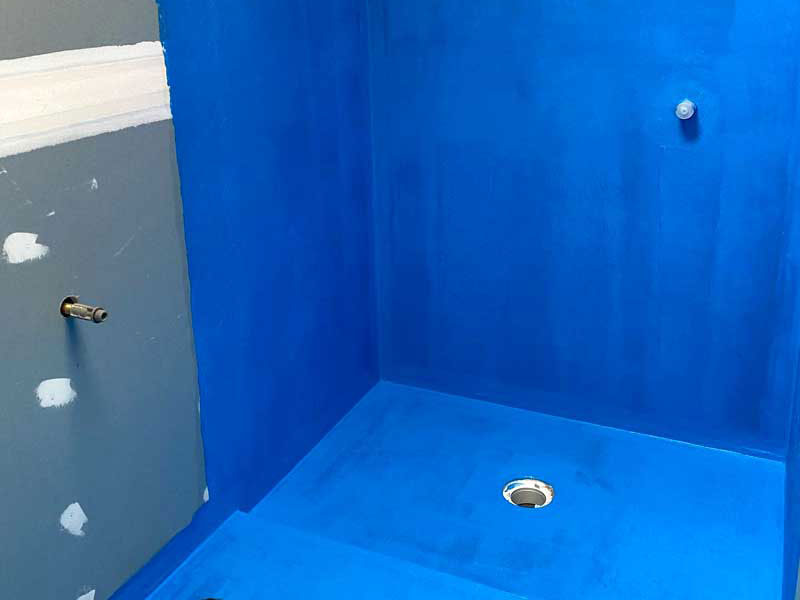
New Waterproofing Bathroom Australian Standards 2023
AS 3740 first appeared in the early 1990s with the aim of setting a national approach to waterproofing domestic wet areas across Australia. What began as a fairly simple framework soon became essential as building methods advanced. Over time the standard has gone through several important revisions, with substantial updates in 2003, 2010 and again in 2023. Each revision responded to new materials, better installation techniques and stricter compliance measures. The current edition now serves as the definitive national benchmark. It is referenced throughout the National Construction Code and provides strong protection against water damage, structural decay and expensive defects in homes.


 Expected Outcomes
As a result, homeowners should see lower maintenence costs across the life of their property. Protection goes beyond the physical benefits as well. Homeowners gain reassurance, builders safeguard their reputations, and certifiers can approve residential projects with confidence.
 Applying these standards will benefit many Australian businesses and homeowners, keeping their investments secure and their spaces safe and comfortable. As professionals within the construction industry, it is our responsibility to stay informed and adapt to these changes so that our work always reflects the highest levels of quality and safety.

Click here to download: Waterproofing Bathroom Australian Standards PDF
Understanding the New Waterproofing Standards 2023
The Australian waterproofing standard for residential wet areas, AS 3740, was prepared by Standards Australia through technical committees made up of industry professionals, engineers, regulators, manufacturers, builders and other construction specialists. These committees cooperate to develop practical requirements that improve the durability and safety of Australian buildings. The standard is not written by the Australian Building Codes Board. Rather, the National Construction Code (NCC) refers to AS 3740 as an accepted method of achieving compliance when waterproofing wet areas.
Importance of Compliance with Waterproofing Australian Standards
Following the waterproofing Australian standards is not only a regulatory matter but a genuine need for the safety and longevity of any building. The standards were written to deal with common problems such as leaks and moisture entry, both of which can weaken the structure of a home. Builders, contractors and tilers who work in line with these requirements can be confident their work will endure and will provide comfort and safety for occupants.Why Waterproofing Standards Were Introduced?
Installation methods once varied greatly between builders, and oversight was limited, so the quality of waterproofing differed from one project to the next. This led, in some cases, to serious building failures. Moisture that went unnoticed caused structural decay, mould growth and costly rectification works that affected many Australian homeowners. Disputes between contractors and clients over acceptable practice were also common. Regulators saw the need for minimum waterproofing requirements across the country and introduced AS 3740 in response.
Bathroom Waterproofing Proven Performance
By clearly defining which materials are suitable, the standard makes sure only durable membranes are applied. Detailed installation procedures set out exact application methods, curing times and joint treatments, which encourages consistent workmanship from one project to the next. In addition, precise waterproofing extents remove any guessing by stating exactly where protection must begin and end, for example on shower floors and bath surrounds.
Implications for the Construction Industry
The latest bathroom waterproofing standards in Australia will have a wide effect on the renovation industry. Companies will need to adjust how waterproofing is planned and delivered, with greater weight placed on quality and on following strict guidelines. This shift should lift the overall standard of construction nationwide, producing buildings that are stronger and safer for the people who live in them.
Expected Outcomes
As a result, homeowners should see lower maintenence costs across the life of their property. Protection goes beyond the physical benefits as well. Homeowners gain reassurance, builders safeguard their reputations, and certifiers can approve residential projects with confidence.
Applying these standards will benefit many Australian businesses and homeowners, keeping their investments secure and their spaces safe and comfortable. As professionals within the construction industry, it is our responsibility to stay informed and adapt to these changes so that our work always reflects the highest levels of quality and safety.
