

Outdoor Tiling Tips
Paving the outdoor area of a home lifts its visual appeal and adds both comfort and elegance. Built well, a pathway or patio can serve for decades, asking for little maintenence while continuing to please the eye. Reaching this standard, however, takes more than effort. It calls for knowledge of the finer points of Outdoor Tiling and Paving. In this detailed article, our landscape architect shares practical insights on selecting and laying tiles and paving stones. These tips will help whether you are starting a DIY Outdoor Tiling project or supervising skilled tilers. Informed choices ensure your outdoor space is not only attractive but also able to withstand the weather. Explore the world of expert Tiling and Paving Services and prepare yourself with the knowledge needed to create or oversee a fine result. A well finished outdoor space begins with an informed mind and a dedicated outdoor tiler.
First tip: Familiarise yourself with real samples of laying materials.
 Online and printed catalogues give a useful preview of tile options, yet they cannot replace physical samples. Tiles should be seen and handled before any final decision is made. Local tile shops and warehouses across Melbourne display a wide range of products and can often supply customised sample tiles.
To understand how the tiles will appear in your outdoor space, purchasing a few samples is the safest step. Picture them beside the front of your home, across the patio or even along the driveway. Keep in mind that a small sample can feel quite different from a large area covering several square metres. Judging this fit requires either a good imagination, the assistance of a landscape designer, or the guidance of an experienced tile installer.
Selecting the ideal outdoor cladding involves more than design alone. Texture, colour and vibrancy all matter, as do durability and quality. A specialist outdoor tile installer can guide you through these considerations, making sure the tiles suit the character of your property and deliver lasting function. Do not rely on pictures alone. Let real samples inform your choice.
Second Tip: The Power of Three in Color Composition.
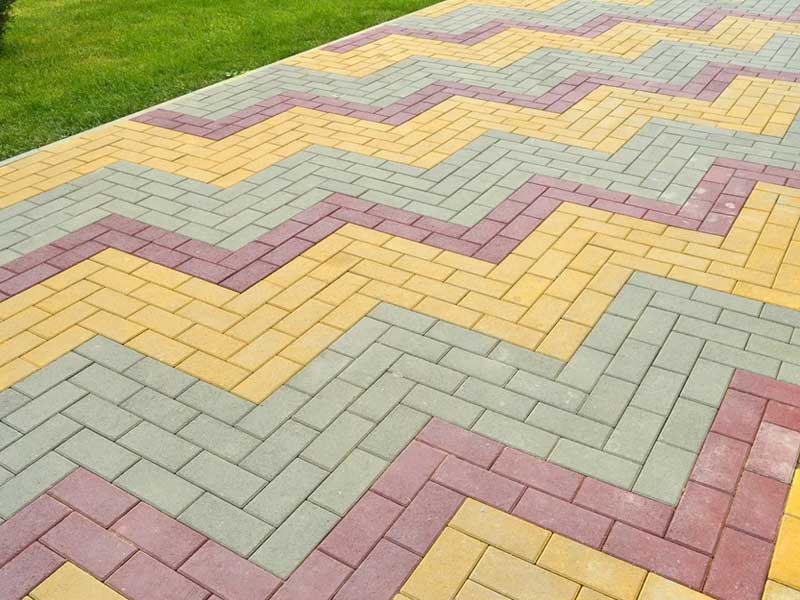 Whether indoors or out, too many colours create a sense of unrest that disturbs harmony. A simple but dependable rule of design limits a scheme to three colours. This principle applies broadly, from clothing to facades, and just as much to paving.
The wide palette of modern pressed tiles might tempt you toward a colourful mosaic, though caution is warranted. Such vibrancy can appear attractive at first but may cause visual fatigue over the years. Elegance usually rests in restraint. Limiting your selection to a tri colour scheme allows shades to interact in a balanced way and preserves the lasting appeal of the space.
This is about more than simplicity. It is about creating a setting that endures. Treat the three chosen colours as the anchors of the design. They can add depth, frame focal points or even suggest greater space. Whether tiling a patio, a walkway or another outdoor element, this trio of colours reflects a considered approach and shapes an environment that invites relaxation and quiet appreciation of artful paving.
Third tip: Make sure that the paving does not overshadow the facade.
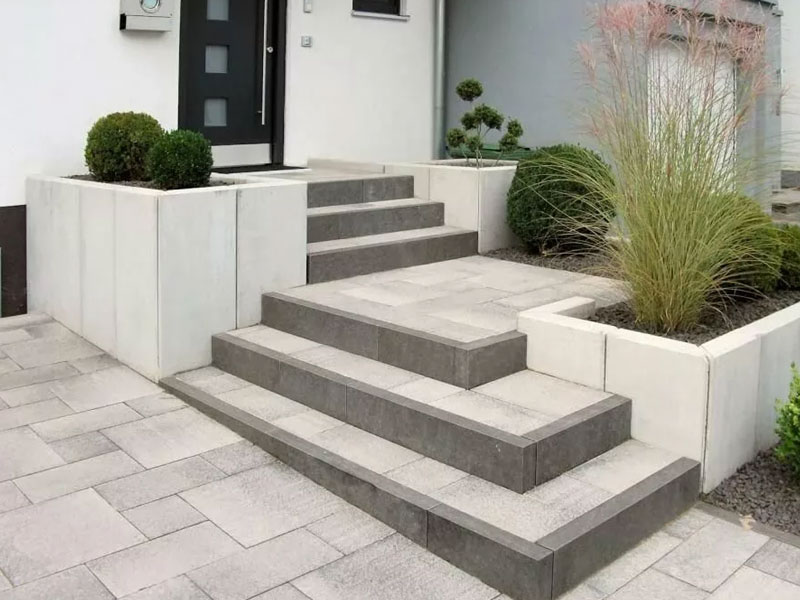 The facade is the central element of a home's exterior. Any tiles or paving around it should take a supporting role, setting the scene, complementing and framing, never competing for attention. The brightness and saturation of exterior paving should stay below that of the building itself.
Some may ask whether such design matters should concern the average homeowner. Even without training in design principles or colour composition, the natural sense of harmony is something we all share. It works quietly, much like gravity acts on an object regardless of whether the physics are understood.
Visual harmony matters greatly. In music, a single false note disturbs the whole symphony, and in the same way, overly bright paving can detract from the appeal of a home. Always consider the larger picture when planning outdoor areas. The tiles and paving selected should blend with their surroundings and present a cohesive whole. Some of the strongest statements are made quietly, with elegance and subtlety. Outdoor paving is exactly this kind of element, capable of either lifting or weakening the external character of a home. Choose with care and let the facade remain the star.
Fourth Tip: Embrace Eco-Style and Tranquil Earth Tones for Harmony.
 The colours of nature around Melbourne carry a soft and open beauty. This city, with its varied climate zones, offers a spectrum of landscape shades, from the blue of the sky to the strength of golden sunlight. These natural cues should inform design decisions, whether for flowering plants or for core garden elements such as outdoor paving and tiling. Calm tones drawn from nature, including muted greys and earthy browns, are a strategy that rarely fails. Eco style, grounded in natural aesthetics, continues to gain recognition and popularity.
For example, trends in the 2019 American paving tile market showed a clear preference for coral pink tones and various shades of grey. The grey spectrum, from deep coal to light silver, has held a dominant place in colour selections for years. A newer trend pairs warm and cool shades side by side, combining grey with beige to pleasing effect.
Melbourne, with its well known laneways and beachfronts, provides a wonderful setting for such design ideas. The modern character of the city blends naturally with the timeless charm of the natural world. Those hoping to improve their outdoor spaces here or elsewhere can draw on the palette of nature and let earth tones guide their choices in tiling and paving.
Tip Five: Every paved space should have a defined boundary.
 In outdoor design, small details often carry the greatest weight. One such element, frequently overlooked, is the border around paved areas. Quality kerbs should never be treated as an afterthought. A paved surface, whether tiled or otherwise, needs a protective edge on every side to stop tiles from shifting as time passes.
Balance is still required. Kerbs provide stability, yet tiles must not be laid too rigidly. Just as Melbourne residents adjust to changeable weather, tiles change their dimensions in response to temperature. Room must always be left for this movement so the integrity of the design is preserved.
Correctly installed paving or outdoor tiles add beauty to a Melbourne home and secure its performance well into the future. Picture a warm summer evening spent on a beautifully paved patio, certain that the investment will hold firm. In a city that values style and care, outdoor spaces should show the same attention to detail. A well defined edge can determine both longevity and elegance.
Fifth Tip: Rotate Between Tile Pallets for a Natural Look.
 Every detail matters when tiling an outdoor area, particularly when a seamless and natural finish is the goal. Some may wonder how one tile could differ from another. The following advice makes a real difference: always alternate between pallets of tiles during laying.
Ask your outdoor tiler to draw tiles from several pallets rather than a single one. This spreads the colour variation evenly across the surface and prevents visible patches of differing tone. The result is a uniform, organically matched surface, a clear sign of quality exterior work.
Even premium tile brands can show slight tonal variation if the supply of certain components changes during manufacture. The differences may be small, yet across a large area they accumulate and become noticeable. Working consistently from different pallets conceals these minor variations and secures a flawless finish.
Picture an outdoor area under the soft light of sunset, its tiles presenting a smooth and even surface without a single blemish. This is what separates a job done from a job done well. Keep this advice close as you lay the tiles of your plans: a little variety often leads to perfection.
Six tip: Fill gaps with sand, not cement/sand mix.
 A common misunderstanding among homeowners is that the joints between newly laid tiles should be filled with a cement sand mix to add strength. The belief is that hardened cement will lock the whole surface together. This approach is best avoided.
Cement applied to tile joints may appear to be a secure solution, but in practice it spoils the appearance of the tiles. Cement frequently smears across the surface, leaving grey stains that are extremely difficult to remove. The carefully planned finish can be spoiled in a moment by these marks.
For a clean result, use clean, sieved sand free of impurities. A modern and highly recommended option is specialised polymer sand. Unlike traditional materials, this premium product contains polymers and unique additives. It resists the elements, will not erode over time, holds firm against rainfall and discourages unwanted weeds.
Think of the paved area as a canvas. The tiles paint the picture, and the right filler keeps the pattern intact through the years. Small decisions, such as the type of sand used, can make an enormous difference in an outdoor tile installation.
Seventh tip: Protect your tiles from water.
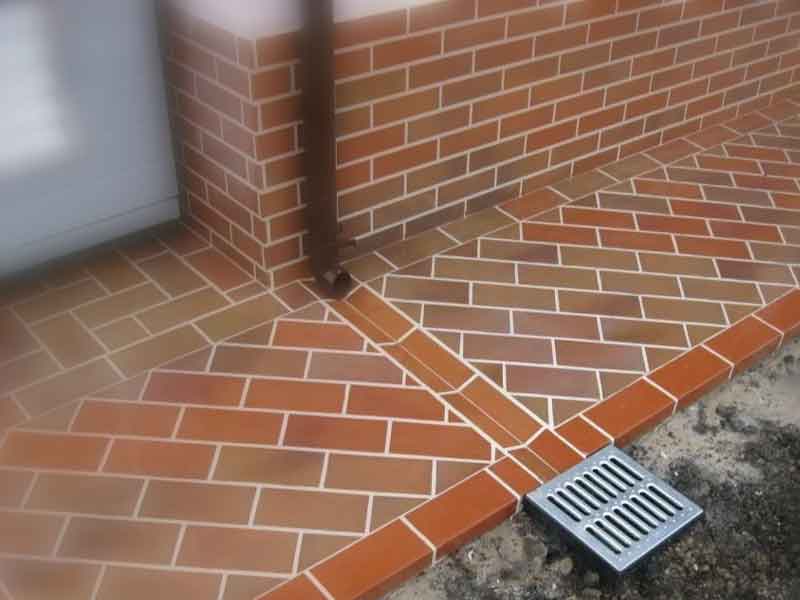 Water is the persistent enemy of the tiler. It sustains a garden and feeds the greenery, yet it poses a serious threat to outdoor tiles. Heavy rain, melting snow or a damp change of season can all shorten the life of a tile and diminish its appearance. In time it may crack, crumble or show wear far earlier than expected.
Pressed tiles should be laid on a gravel and sand base rather than a solid concrete slab. The reason lies in the slope. Even a small error in fall or levelling allows water to collect, forming hidden puddles. These remain unseen from above but steadily damage the tiles from beneath.
A well built gravel and sand foundation, known among tilers as the base layers of a proper installation, acts as a buffer. It provides stable ground for the tiles and allows water to drain away, so moisture is never trapped underneath.
Consider this foundation the quiet protector of outdoor tiling. It guards against water damage while the paved area shines above in both beauty and durability. When planning your next outdoor tiling project, give priority to a strong, porous base. Every skilled tiler understands that the success of the craft often rests below the surface.
