

How to Clean Grout in Floor Tiles
Cleaning grout between floor tiles is a job that many homeowners prefer to avoid. Regular foot traffic, spills and moisture can gradually leave grout looking stained or dull. Proper cleaning helps maintain the colour of the grout and keeps the tiled surface presentable. Several natural and commercial methods can be used, although the correct option depends on the tile and grout material. The following tips explain how to clean grout safely on kitchen, ceramic, porcelain, marble and natural stone floors.
- Understanding Grout and Why It Gets Dirty
- General Methods to Clean Grout
- How to Clean Different Types of Grout
- Specialized Cleaning Techniques for Different Floor Tiles
- How to Clean Grout in Kitchen Floor Tiles
Understanding Grout and Why It Gets Dirty
Grout fills the joints between tiles and helps create a stable, finished surface. Traditional cement grout is porous, which means it can absorb water, dirt, grease and cleaning residue. Without regular care, these materials may cause staining, unpleasant smells or mould growth. Cleaning is particularly important in kitchens, bathrooms and entry areas, where floors receive frequent use and regular exposure to moisture.
The grout colour, texture and composition can affect how quickly dirt becomes visible. Pale grout often shows marks sooner, while black or grey grout can conceal some surface dirt. Dark grout still requires routine cleaning because soap, dust and mineral deposits can leave it looking faded or uneven.
General Methods to Clean Grout
Begin with the mildest cleaning method suitable for the floor. Remove loose dust, then test the chosen product in a small area that is not easily seen. Tile materials respond differently to moisture, acids and abrasive cleaners, so always check the product instructions before treating the full surface.
Baking Soda and Water Paste

A paste made from baking soda and water can remove light grime from many tiled floors. Mix a small amount of water into the baking soda until a thick paste forms. Apply it to the grout and leave it for about ten minutes. Gently scrub the joints with a suitable grout brush, then rinse the area with clean water. Avoid heavy scrubbing on polished, delicate or easily scratched surfaces.
Vinegar and Water Solution
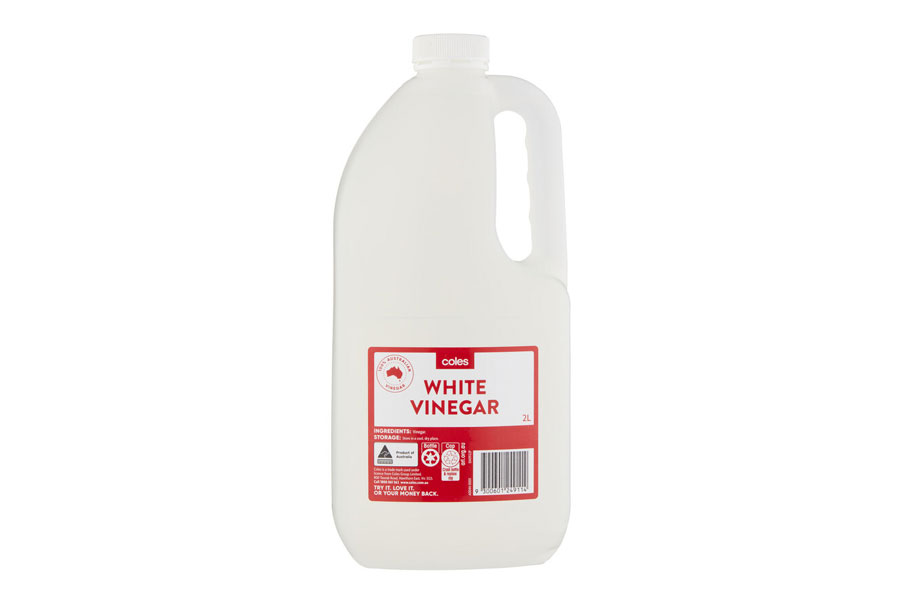
Diluted vinegar may remove some mineral residue from acid resistant tiles, but it is not suitable for every floor. Acid can weaken cement grout and damage marble, limestone, travertine and other natural stone. Before using vinegar around kitchen or bathroom floor tiles, confirm that the tile manufacturer permits it. A pH neutral cleaner is usually the safer option for routine grout care.
How to Clean Different Types of Grout
Grout products vary in colour, composition and finish. A cleaner that works on standard cement grout may not suit epoxy grout, coloured grout or joints beside natural stone. Identifying the materials before cleaning reduces the risk of fading, scratching or surface damage.
How to Clean Black Grout on Floor Tiles
Black grout suits many modern interiors and hides some marks better than pale colours. However, cleaner residue and mineral deposits can leave it looking dull. Start with warm water and a pH neutral detergent. Use a soft grout brush and rinse thoroughly. Hydrogen peroxide may fade coloured grout, so test it first and follow the grout manufacturer’s recommendations.
How to Clean Grey Grout Between Floor Tiles
Grey grout is practical, but it still collects dirt and residue. Clean it with warm water and a mild pH neutral product before trying a stronger treatment. A baking soda paste may help with stubborn marks on suitable surfaces. Apply gentle pressure, rinse well and dry the floor. Test hydrogen peroxide before use because it may alter the original grout colour.
How to Clean Grout on Marble Floor Tiles
Marble requires careful cleaning because acids and abrasive products can mark its polished surface. Use a cleaner approved for natural stone and a soft brush that will not scratch the tile.
